








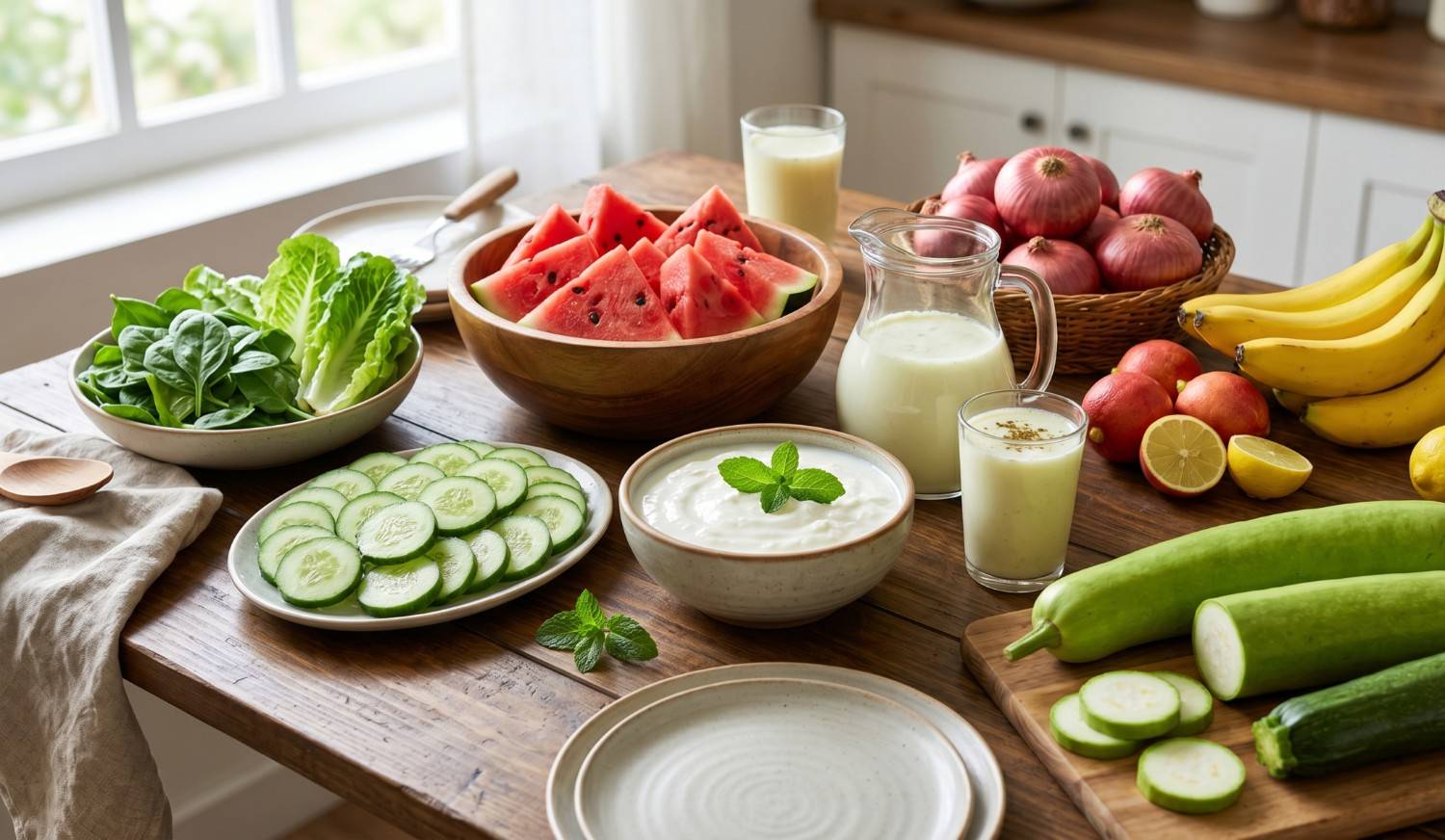
When summer temperatures skyrocket, your body’s internal demands undergo a massive shift. As a clinical nutritionist who has spent over a decade tracking how seasonal eating affects metabolic health, I see a recurring pattern every June: clients coming in complaining of sluggishness, brain fog, and sudden digestive distress. They often assume they just need to drink more ice water.
But here is the insider secret: true summer hydration and cooling cannot happen through plain water alone.
If you want to optimize your diet for the scorching months ahead, here are the top 10 summer foods healthy for your gut, skin, energy backed by physiological science and real-world clinical experience.
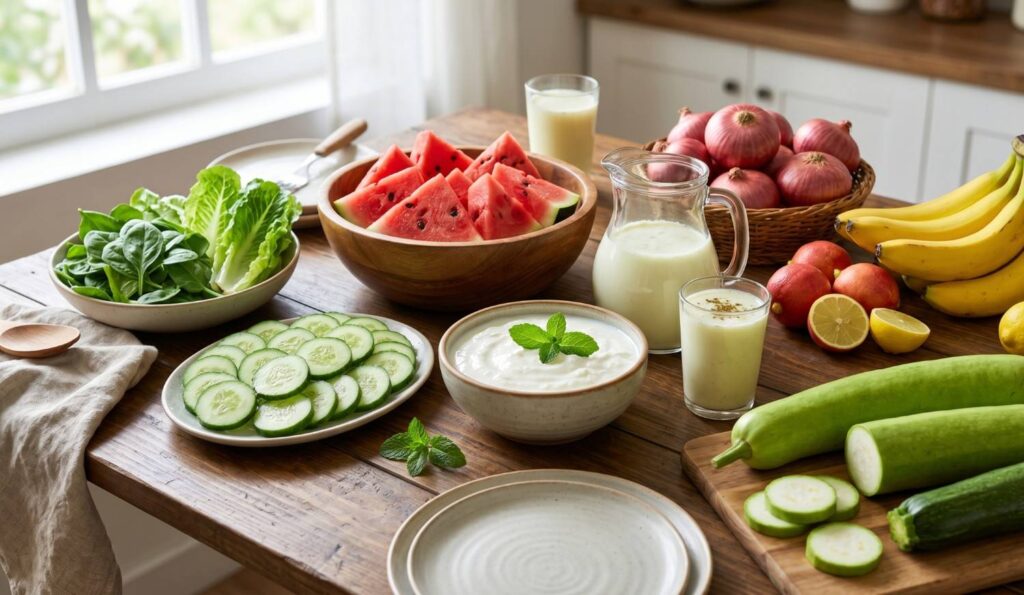

1. Watermelon: The King of Cellular Hydration
There is a profound biological reason why watermelon is synonymous with summer. Composed of roughly 92% water, this fruit delivers a highly bioavailable blend of natural sugars, amino acids, and essential minerals.
The Clinical Benefit:
Watermelon is incredibly rich in lycopene, a powerful fat-soluble antioxidant that protects your skin from the cellular damage caused by UV radiation. Furthermore, it contains L-citrulline, an amino acid that converts into L-arginine in the body, expanding blood vessels and improving circulation. This process lowers blood pressure and helps your body dissipate internal heat more efficiently.
- My Expert Tip: Do not discard the white rind completely! Scoop a bit of it into your summer smoothies; that is where the highest concentration of L-citrulline lives.
2. Cucumbers: The Ultimate skin care
Clocking in at an astonishing 96% water content, cucumbers hold the crown for the highest fluid volume of any solid food. In my practice, I refer to them as “solid hydration.”
The Clinical Benefit:
Cucumbers contain erepsin, an enzyme that aids in protein digestion. During hot weather, your digestive tract slows down as blood flow is diverted to the skin surface to assist with cooling. Eating light, enzyme-rich foods like cucumbers prevents that uncomfortable post-meal heaviness. They are also packed with silica, a trace mineral that actively supports collagen production and keeps your skin looking radiant despite sun exposure.
- My Expert Tip: Leave the skin on! The dark green peel contains the bulk of the fiber and vitamin K, which is essential for bone density and healthy blood clotting.
3. Greek Yogurt and Curd (Chaas/Raita): Gut Guardians
Your gut microbiome is highly sensitive to extreme seasonal shifts. Heat exhaustion can alter your intestinal barrier permeability, leading to a sluggish gut. This is why incorporating traditional, fermented dairy is crucial.
The Clinical Benefit:
Whether you prefer Greek yogurt or traditional home-set curd (chaas or raita), these foods deliver a dense dose of live probiotics. Probiotics preserve the integrity of your gut lining and enhance nutrient absorption. From a thermodynamic perspective, sour dairy acts as a natural coolant, balancing internal acidity and reducing gastrointestinal heat production during digestion.
- My Expert Tip: Avoid store-bought, fruit-flavored yogurts. They are loaded with refined sugars that cause rapid blood glucose spikes and subsequent energy crashes. Opt for plain, unsweetened varieties instead.
4. Tender Coconut Water: Nature’s Pure Electrolyte IV
While technically a liquid, coconut water is functionally an absolute superfood that belongs in every single summer diet plan.
The Clinical Benefit:
Its osmolarity and electrolyte profile are remarkably similar to human blood plasma. It is naturally packed with potassium, magnesium, and calcium—the very minerals pulled from your muscles and skin cells when you sweat. Drinking coconut water prevents the muscle cramping, dizziness, and low-blood-pressure fatigue that frequently occur during intense summer heatwaves.
- My Expert Tip: Drink it straight from the coconut within 15 minutes of cracking it open. Exposure to air oxidizes its delicate enzymes, diminishing its therapeutic potential.
5. Berries: Cellular Armor Against Sun Damage
Strawberries, blueberries, and raspberries peak during the sunnier months, and nature did not design this by accident.
The Clinical Benefit:
Berries are loaded with anthocyanins and vitamin C. These high-potency antioxidants neutralize the flood of free radicals generated when your skin cells interact with harsh ultraviolet radiation. Furthermore, they are incredibly high in soluble fiber while remaining low on the glycemic index. This means they satisfy your sweet tooth without triggering the insulin spikes that make you feel sluggish in hot weather.
6. Mint (Pudina): The Ultimate Thermodynamic Coolant
Adding fresh mint to your diet is the fastest way to signal to your brain that your body is cooling down.
The Clinical Benefit:
Mint contains menthol, a bioactive compound that chemically binds to your sensory receptors (specifically the TRPM8 channels). This binding triggers a literal cooling sensation, tricking your nervous system into believing your temperature is dropping, which prompts a relaxation response across your blood vessels. It is also an excellent carminative, meaning it relaxes the stomach muscles to alleviate bloating and indigestion.
- My Expert Tip: Don’t just cook with it. Muddle raw mint leaves directly into your daily water bottle to gently release these volatile oils throughout the day.
7. Raw Green Mango: The Heatstroke Preventive
While ripe mangoes are delicious, raw green mangoes (kairi) are an absolute nutritional powerhouse when it comes to defending your body against extreme seasonal exhaustion.
The Clinical Benefit:
Raw mangoes are exceptionally rich in pectin and vitamin C. In traditional eastern medicine systems, drinks made from boiled raw mango pulp (like Aam Panna) are utilized as a frontline defense against heatstroke or “Loo”. They help lock sodium chloride and iron into your cellular matrix, preventing rapid mineral depletion when you are outdoors.
8. Leafy Greens: Mineral-Dense internal Shields
In the winter, we crave hearty, dense root vegetables. In the summer, your body naturally seeks out light, airy leafy greens like spinach, romaine lettuce, and arugula.
The Clinical Benefit:
Leafy greens are composed of over 90% water and are densely packed with magnesium. Magnesium is a crucial mineral responsible for regulating your central nervous system and supporting deep sleep cycles—both of which can be disrupted by uncomfortably warm nights. Additionally, their high folate and vitamin K profile helps keep your cardiovascular system running efficiently under heat-induced stress.
9. Tomatoes: Your Dietary Sunscreen
Many people categorize tomatoes strictly as a salad garnish, but their chemical profile makes them a true seasonal superfood.
The Clinical Benefit:
Tomatoes contain a massive dose of lycopene, an antioxidant that gets deposited directly into your skin’s fatty layers. Regular consumption has been shown to provide long-term systemic protection against UV-induced erythema (sunburn). Pair them with a splash of healthy monounsaturated fat, like extra virgin olive oil, to maximize your body’s absorption of this nutrient.
10. Courgettes and Zucchini: Light, Low-Calorie Hydration
Zucchini and summer squashes are highly versatile vegetables that should completely replace heavy starchy carbs on your dinner plate when the weather warms up.
The Clinical Benefit:
Zucchini is roughly 95% water, remarkably low in calories, and rich in soluble fiber, which keeps your blood sugar stable. It provides key carotenoids like lutein and zeaxanthin, which protect your eyes from the intense glare of summer sunlight. Because it is incredibly easy for your stomach to break down, it allows your body to preserve precious energy that would otherwise be spent processing a heavy, high-calorie meal.
The Ultimate Summer Food Comparison Matrix
To help you balance your plate, let’s look at how these top foods compare across their primary clinical benefits:
| Food Name | Primary Electrolyte / Nutrient | Water Content | Best Time to Consume |
| Watermelon | Lycopene & L-Citrulline | ~92% | Mid-Morning Snack |
| Cucumber | Silica & Erepsin | ~96% | Alongside Lunch |
| Greek Yogurt | Live Probiotics & Calcium | Variable | Afternoon (as Chaas) |
| Coconut Water | Potassium & Magnesium | ~95% | Post-Workout / Out in Sun |
| Berries | Anthocyanins & Vitamin C | ~85% | Breakfast Topping |
| Raw Mango | Pectin & Vitamin C | ~88% | Before Heading Outdoors |
How to Structure Your Day for Maximum Cooling
Knowing what to eat is only half the battle; timing your meals correctly is what yields noticeable health benefits. Here is a typical, highly effective summer meal structure that I recommend to clients:
Daily Meal Sequence
1.Morning Rehydration:7:00 AM.
Start your morning with a tall glass of plain water mixed with overnight-soaked sabja seeds (basil seeds). These hydrophilic seeds expand into a gelatinous matrix that slowly releases water into your bowel, providing extended hydration.
2.Light, Energizing Breakfast:8:30 AM.
Opt for a bowl of unsweetened Greek yogurt topped with fresh berries and flaxseeds. This provides a steady dose of clean protein and healthy fats without generating heavy digestive heat.
3.Mid-Day Shielding:11:30 AM.
Enjoy a bowl of chilled watermelon cubes or a fresh glass of tender coconut water to step up your mineral levels before the midday sun peaks.
4.Cooling Lunch:1:30 PM.
Keep it light: a crisp cucumber salad mixed with leafy greens, paired with an easy-to-digest carb like whole-grain flatbread (roti) or a traditional, cooling bowl of curd rice.
5.Evening Refreshment:5:30 PM.
Skip the dehydrating hot tea or coffee. Instead, drink a refreshing glass of buttermilk (chaas) whisked with roasted cumin powder and fresh mint leaves.
Critical Summer Food Mistakes to Avoid
- Over-relying on Ice-Cold Drinks: When you pour freezing liquids into a hot stomach, your blood vessels instantly constrict. This slows down digestion and forces your body to spend energy heating that fluid back up to body temperature, ironically generating more internal heat. Opt for clay-pot cooled or room-temperature drinks instead.
- Eating High-Protein Red Meats at Night: Digesting dense proteins like beef or lamb requires an immense amount of metabolic energy, a process known as the thermic effect of food. This can raise your core body temperature overnight, leading to restless, sweaty sleep. Shift your heavy protein intake to earlier in the day or opt for lighter sources like plant proteins, fish, or sprouted mung beans.
- Ignoring Hidden Refined Sugars: Ice creams, mocktails, and packaged juices may feel cooling in the moment, but refined sugar temporarily impairs your kidneys’ ability to manage fluid retention, accelerating dehydration.
Frequently Asked Questions (FAQs)
1. Can eating the right summer foods replace drinking water?
No, water-rich foods cannot entirely replace your clean drinking water intake. Think of summer foods as a optimization tool. Plain water provides the base fluid volume, while hydrating foods supply the essential electrolyte minerals needed to lock that hydration into your cellular walls.
2. Why do I feel so tired in the afternoon during summer?
This is usually caused by a combination of mild dehydration, mineral depletion, and the thermic effect of heavy meals. When your body expends massive amounts of energy trying to digest heavy food while simultaneously pumping blood to your skin to sweat, your energy crashes. Switching to light, mineral-dense choices like cucumbers, curd, and watermelons prevents this midday slump.
3. Are mangoes bad to eat in the summer?
Not at all! Ripe mangoes are rich in beta-carotene and fiber, making them an excellent seasonal choice. However, moderation is key. Because they have a relatively high natural sugar content, overeating them can cause quick blood sugar fluctuations. Enjoy half a mango as a mid-morning snack rather than eating multiple mangoes right after a heavy dinner.
4. What is the best traditional drink to prevent heatstroke?
Without a doubt, traditional Aam Panna (made from green raw mango pulp) and Chaas (spiced buttermilk) are unmatched. They immediately replenish lost sodium, chloride, and beneficial gut bacteria, making them far more effective than commercial, sugary sports drinks.
5. How does mint actually help lower body temperature?
Mint contains menthol, which naturally binds to the cold-sensitive receptors in your nervous system. It does not physically change your body’s temperature instantly, but it tricks your brain into sensing a refreshing cooling drop, which reduces systemic stress and enhances your comfort level.
Summary: Adapting to summer is all about listening to your body’s natural cues. Drop the heavy, fried, and heavily processed meals, and build your daily plate around fresh, crisp, living ingredients. Your gut, skin, and energy levels will thank you.
3 thoughts on “Top 10 Summer Foods Healthy for Your Gut, Skin, and Energy”